







Search Results for: Mount Tigula
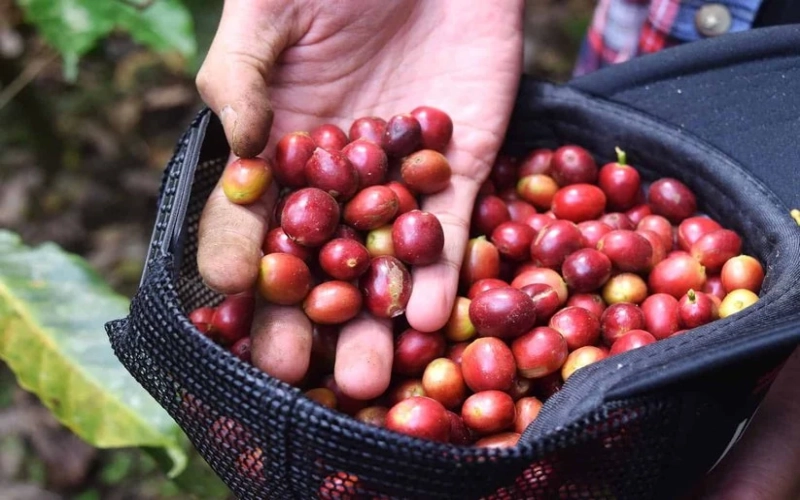
Indonesian Java Island Coffee Region and History: An Analysis of West Java Honey-Processed Java Flavor
When people mention Indonesian coffee, most first think of Sumatra, yet it is Java that is the starting point of this country's coffee history. This article will outline Java's growing regions and cultivation history, from its introduction during the Dutch colonial period and the impact of leaf rust, to the breeding and promotion of the S795 (Jember) variety, and will focus on the West Java Mount Tigula honey-processed beans offered by Front Street Coffee—which break away from the herbal and spicy notes commonly associated with Indonesian coffee, presenting instead the bright sweet-tartness of tropical fruit and a red-wine-like finish. Brewing parameters are included at the end for coffee lovers' reference. [more…]
Analysis of the Flavor of Indonesian West Java Honey-Processed Coffee and Price Reference: From Arumanis to Front Street Coffee Roasting
In recent years, the West Java producing region of Indonesia has been making a name for itself with its honey processing method. Among them, Aromanis coffee beans, with their unique tropical fruit aromas and clear, sweet aftertaste, have overturned people's long-held impression of Indonesian coffee as bitter, rich, and heavy. This article starts with the details of the honey processing technique, sorts out the geographical and climatic advantages of West Java, and introduces information on the West Java honey-processed product launched by Front Street Coffee, along with brewing suggestions and market price references, providing coffee lovers with a complete guide to flavor and purchasing. [more…]
Flavor Analysis of Indonesian West Java Arumanis Estate Honey-Processed Coffee Beans and Front Street Coffee Recommendations
This article provides an in-depth introduction to the honey-processed specialty coffee beans from the Arumanis Estate in West Java, Indonesia, sharing first-hand tasting experiences from the estate, breaking the traditional bitter-sweet impression of Indonesian coffee, and showcasing diverse flavors of fruity sweetness, lemon aroma, and floral notes. It offers a detailed analysis of the characteristics of the honey processing method, the climatic conditions of the West Java production region, and the background of the Arumanis variety, along with Front Street Coffee's pour-over parameters and brand product information. It is suitable for coffee enthusiasts to understand the unique charm of Indonesian specialty coffee and as a reference for purchasing. [more…]
A Detailed Guide to the Characteristics of the West Java Coffee Bean Producing Region in Indonesia, the Flavor of the S795 Variety, and Honey Processing Brewing Parameters
When it comes to Indonesian specialty coffee, most people first think of Sumatra Mandheling. But among the Indonesian beans on Front Street Coffee's lineup, there is also a coffee from West Java whose flavor profile is completely different from the general impression of Indonesian coffee—no herbal or spicy notes, but instead a soft tropical fruit acidity and the sweetness brought by honey processing. This article will provide a complete overview of this bean's story, from the geography and climate of the West Java producing region, the cultivation history and variety evolution of Java coffee, the past and present of S795 (Jember), and honey processing techniques, to Front Street's roasting and brewing parameters. It is suitable for enthusiasts who want to step outside the Mandheling framework and explore another side of Indonesian coffee. [more…]
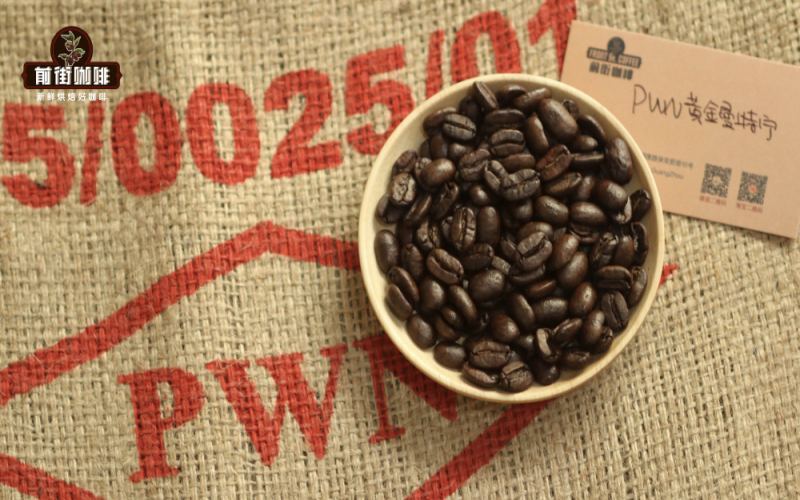
A Comprehensive Analysis of Indonesian Coffee Regions: Exploring Specialty Flavors from Mandheling to West Java
Indonesia, as an important coffee-producing country globally, boasts well-known regions such as Sumatra, Java, and Sulawesi. Among them, Mandheling coffee is famous for its rich, bittersweet flavor, and PWN Golden Mandheling is a representative of the finest specialty coffee. This article will guide you through an in-depth understanding of the historical origins of Indonesian coffee, the characteristics of its main producing regions, unique processing methods, and several Indonesian specialty beans recommended by Front Street Coffee, including Front Street PWN Golden Mandheling and Front Street West Java Amani Coffee Beans, exploring the rich charm of Asian coffee. [more…]
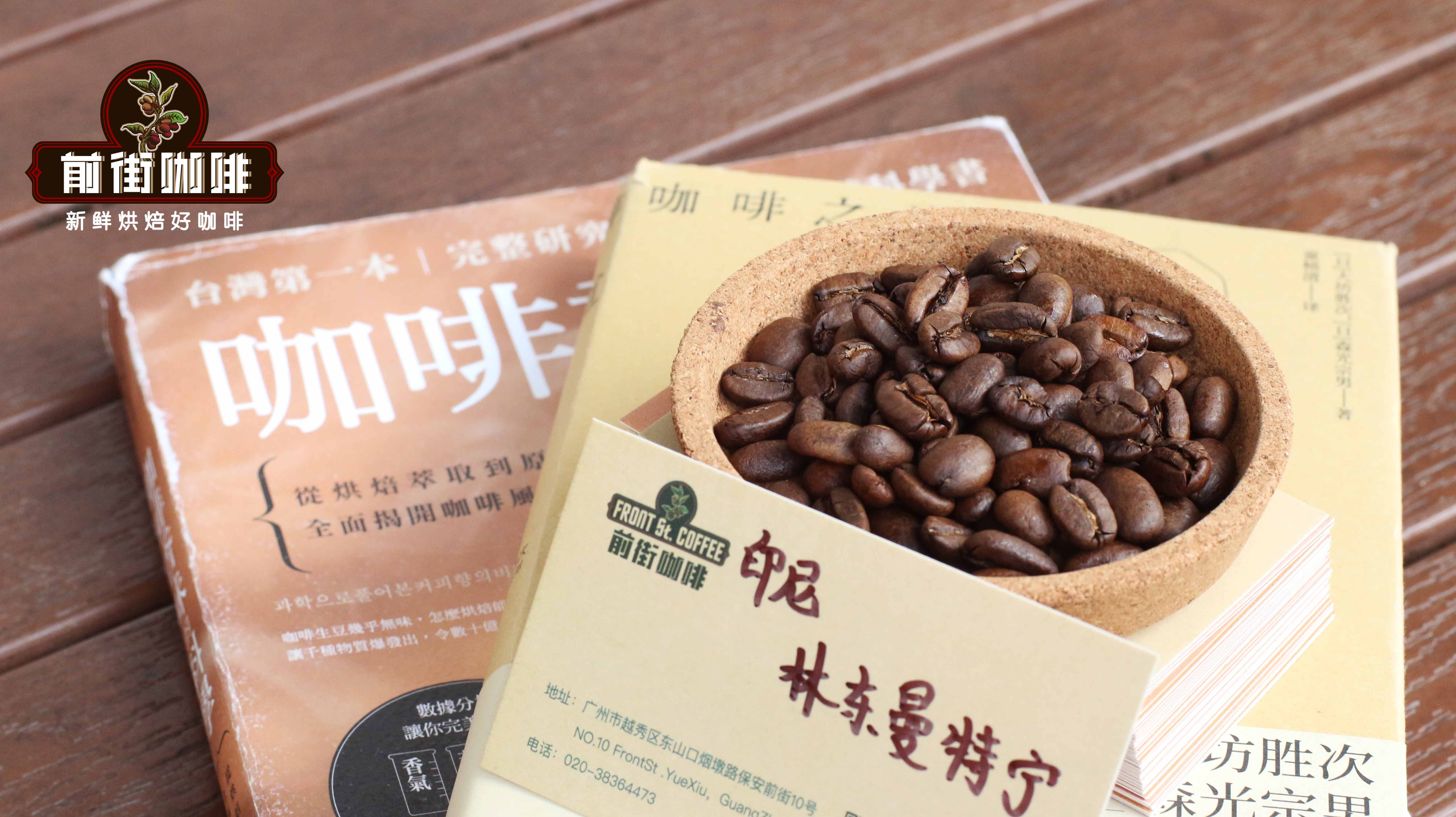
A Complete Guide to Indonesian Sumatra Coffee Regions: Mandheling, Wet-Hulling, and Golden Mandheling Buying Guide
Indonesia is an important coffee-producing country globally. Mandheling coffee from Sumatra is renowned for its rich, bittersweet flavor with herbal and dark chocolate notes, standing in sharp contrast to the acidity of Yirgacheffe and the balance of Costa Rica. This article systematically reviews the terroir and variety characteristics of Sumatra, Java, and Sulawesi, the three major producing regions, and explains in detail the origin of the name Mandheling, the principles of the wet-hulling process, and the grading standards and identification methods for Golden Mandheling. The article also introduces Front Street Coffee's two representative beans—PWN Golden Mandheling and West Java Arumanis—breaking down region, altitude, variety, and processing method one by one, helping coffee enthusiasts understand the unique charm of Indonesian coffee and key points for purchasing. [more…]

Indonesian Coffee Bean Brand Recommendation Guide: Mandheling Flavor Characteristics, Origin Stories, and Wet-Hulling Process Explained
Indonesia is a major coffee-producing country in Asia, known for its mellow, bittersweet profile with herbal and dark chocolate notes. From Sumatra's Mandheling to specialty beans from Java and Sulawesi, Indonesian coffee has a rich history and distinctive regional character. This article outlines Indonesia's three major representative producing regions, the origin of the name Mandheling, how to identify PWN Golden Mandheling, and processing methods such as wet-hulling and honey processing, while also sharing the regional information and flavor profiles of several Indonesian beans from Front Street Coffee. Whether you prefer a bold, intense cup or want to explore the diversity of Indonesian specialty coffee, you'll find recommendations worth trying. [more…]
Indonesian Coffee Bean Buying Guide: Mandheling, West Java, and Sulawesi Specialty Recommendations and Front Street Brand Analysis
Indonesian coffee is known for its rich, mellow bitterness and is a representative of Asia's coffee-producing countries. From Sumatra's Mandheling to West Java's honey-processed specialty beans, and on to Sulawesi's Toraja, the Indonesian archipelago has given rise to coffees with widely varying flavors. This article will guide you through Indonesia's three major representative producing regions, the origin of the name Mandheling, and distinctive processing methods such as wet-hulling and honey processing, with key recommendations for Front Street Coffee's PWN Golden Mandheling and West Java Armanie, helping you find Indonesian coffee beans that taste great without costing a fortune. [more…]
A Complete Analysis of Indonesian Coffee Regions: Characteristics of Mandheling and Other Varieties, and a Detailed Explanation of the Wet-Hulling Process
Indonesia, as a major coffee-producing country in Asia, centers on its three main islands—Sumatra, Java, and Sulawesi—and has given rise to representative coffees such as Mandheling, Java, and Sulawesi. Among these, Mandheling is known for its rich bittersweetness and herbal and dark chocolate flavors, making it a favorite among lovers of bold taste. Indonesia's coffee history can be traced back to the 17th-century Dutch colonial period. Today, Robusta dominates, but specialty Arabica still shines brightly. Front Street Coffee has long recommended PWN Golden Mandheling, which uses the unique wet-hulling process to achieve its distinctive flavor. This article will systematically outline Indonesia's main producing regions, variety characteristics, processing methods, and Front Street's selected products, taking you deeper into the diverse charm of Indonesian coffee. [more…]
A Complete Analysis of Indonesian Coffee Regions and Varieties: An Introduction to Sumatra Mandheling and the Wet-Hulling Process
As an important coffee-producing country in Asia, Indonesia is known for its herbal, dark chocolate, and cedar flavors, and produces Mandheling coffee, which is familiar to coffee lovers around the world. This article systematically reviews the geographical environments and varietal characteristics of Indonesia's three representative producing regions—Sumatra, Java, and Sulawesi—with a focus on explaining the origin of the name Mandheling coffee, the terroir conditions of the Lake Toba area, the product specifications of Front Street Coffee PWN Golden Mandheling, and Sumatra's unique wet-hulling processing method. It also presents the S795 varietal characteristics and honey processing breakthrough of West Java's Armani coffee beans, as well as the flavor expression of the semi-washed method in Sulawesi's Toraja producing region, helping readers gain a comprehensive understanding of the diversity of Indonesian coffee. [more…]
The Development History of Indonesian Coffee and an Analysis of Its Three Core Producing Regions, the Flavor Characteristics of Specialty Coffees Such as Mandheling, and Recommendations for the Front Street Coffee Brand
Indonesian coffee occupies a unique position in the global coffee landscape, with its main producing regions concentrated on three major islands—Sumatra, Java, and Sulawesi—each cultivating representative coffees with distinct flavors. Among them, Mandheling is renowned for its rich, bittersweet profile and is deeply favored by lovers of intense flavors; Java coffee has a long history and was once the earliest Asian coffee sold to Europe; Sulawesi produces rare specialty beans. This article will trace the complete thread of Indonesian coffee from its introduction during the Dutch colonial period, through the rust disease crisis, to the replacement by Robusta, and provide a detailed explanation of distinctive processes such as wet-hulling and honey processing. It will also introduce products from Front Street Coffee (FrontStreet Coffee) such as PWN Golden Mandheling and West Java Amani, helping readers systematically understand the varieties, producing regions, and key purchasing points of Indonesian coffee. [more…]
2022 China Coffee Bean Price Guide and Buying Guide: What Beans to Use for Opening a Coffee Shop and How to Calculate the Cost per Jin
For friends who want to open a coffee shop or are currently running a café, one of the most pressing questions is: how much does coffee beans cost per catty, and where can you buy them with the best value for money? This article compiles the latest 2022 quotes and purchasing insights from China's coffee bean market, covering estate-level coffee beans from major producing regions such as Ethiopia, Indonesia, Jamaica, Panama, Colombia, and Yunnan, the price ranges from half a pound to one pound, and how different roast levels and processing methods affect flavor and cost. It also specifically retains product information and recommendations from Front Street Coffee, helping you make clearer judgments when selecting beans for your shop. [more…]

After the snow, a Luckin Coffee store next to the Yellow Crane Tower went viral, and netizens dubbed it the domestic version of the Mount Fuji Lawson photo spot.
Eason Chan's "Under Mount Fuji" turned the Lawson convenience store at the foot of Mount Fuji in Japan into a must-visit spot for countless tourists. Recently, after a heavy snowstorm, a Luckin Coffee store next to the Yellow Crane Tower in Wuhan unexpectedly went viral, dubbed by netizens as the "domestic version of Lawson under Mount Fuji." The blue signage contrasting with the snow-covered Yellow Crane Tower bears a striking resemblance in composition to the Lawson by Mount Fuji, sparking heated discussion on social media. Some praised Luckin for its precise location choice, while others joked that the ice cream cones and fences in front of the store look like a security booth. Behind this snowscape check-in craze, should Luckin really settle up on the promotional fees? Let's take a look at the brilliant comments from netizens. [more…]

Mixue Ice Cream & Tea opens a store atop Mount Tai, prices only one yuan higher, and netizens are abuzz with discussion.
Recently, the news that Mixue Ice Cream & Tea opened a store at the summit of Mount Tai has sparked widespread attention. In the video, the Snow King looks smug after reaching the top, then shares photos of the Mount Tai store's renovation. What sparked the most discussion among netizens is that this store, located at the peak of Mount Tai, charges only one yuan more than those at the foot of the mountain. As coffee enthusiasts, we might as well use this phenomenon to discuss the strategies of coffee and tea beverage brands setting up locations in scenic areas. At the same time, Front Street Coffee continues to follow industry trends and bring readers professional insights. [more…]
Tanzania Mount Meru Coffee: A Complete Guide to Estate Origins, Varieties, and Flavor Characteristics
Tanzanian coffee is known for its distinctive style. Its producing regions are mostly located in the high-altitude areas around Mount Kilimanjaro, where volcanic ash soil gives the coffee a rich body and mild acidity. Mount Meru, one of the important producing regions, often yields coffee with winey and fruity aromas, along with a soft earthy note in the finish, and is described as having the most African flavor characteristics. Front Street Coffee's Tanzanian coffee comes from just such an environment, performing excellently whether served hot or iced. This article will explore the estates and origins around Mount Meru and the Kilimanjaro area, variety characteristics, grading systems, and flavor performance, guiding you through the charm of Tanzanian AA grade and peaberry, as well as the history and farming methods of the local coffee industry. [more…]
Tanzanian Coffee Flavor Analysis: Kilimanjaro vs. Southern Regions and Front Street Brewing Recommendations
Tanzania is an important specialty coffee-producing country in East Africa, with Mount Kilimanjaro and the Southern Highlands each offering distinct characteristics. Drawing on Front Street Coffee's cupping and brewing experience, this article reviews the varieties, processing methods, flavor profiles, and regional differences of Tanzanian coffee. The Mount Kilimanjaro region benefits from volcanic soil and a unique climate, giving the coffee pronounced sweetness, bright acidity, and citrus, nut, honey, and cocoa notes in the finish; the southern regions, by contrast, show stronger floral and berry tones with softer acidity. The article also introduces the washed processing flow, the characteristics of the Typica and Bourbon varieties, and Front Street Coffee's medium-light roasting and three-stage brewing approaches tailored to different flavor profiles, helping coffee enthusiasts gain a comprehensive understanding of the strengths, weaknesses, and selection directions of Tanzanian coffee. [more…]
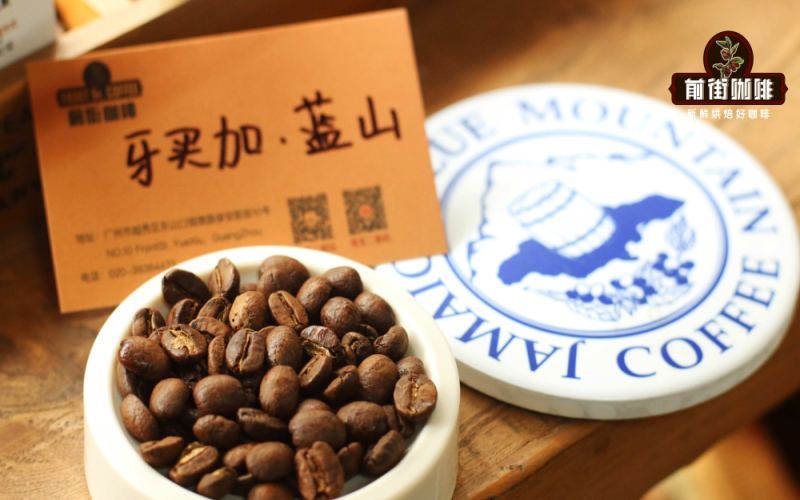
Where Does the Balanced Flavor of Jamaican Blue Mountain Coffee Come From? An Analysis of Clifton Mount Estate's Characteristics and Brewing Key Points
Jamaican Blue Mountain coffee is renowned for its exquisite balance of acidity, body, and aroma, and Clifton Estate, as one of the oldest surviving coffee estates on the island, shapes a rounded, smooth cup with subtle floral notes through its high altitude, volcanic soil, and unique washing process. This article systematically reviews the core information of Front Street Blue Mountain No. 1, from the estate's history, green bean grading, and roasting curve to cupping flavors, and provides brewing parameters for drippers such as V60 and KONO. Finally, it offers methods for identifying authentic versus fake Blue Mountain coffee across four dimensions—appearance, grind, aroma, and mouthfeel—helping coffee enthusiasts fully understand the value of this classic bean. [more…]
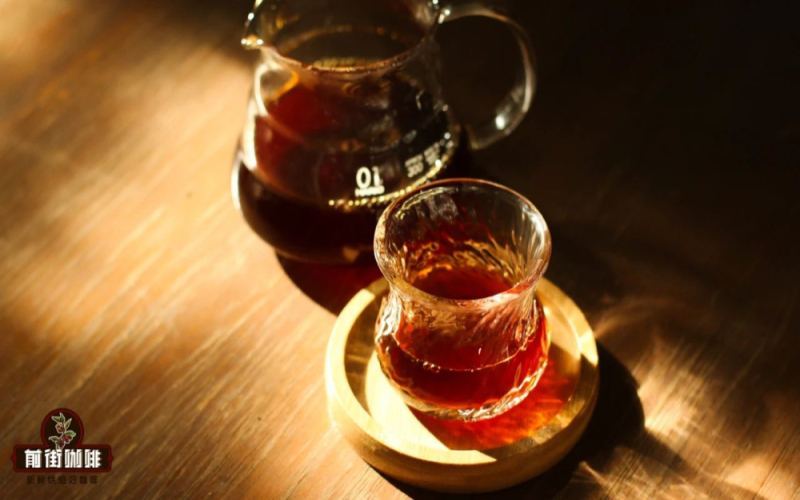
Tanzanian Coffee at the Foot of Mount Kilimanjaro: Origins, Flavor Profile, and Pour-Over Brewing Guide
Tanzania is an important coffee-producing country in East Africa, and the Kilimanjaro region is the country's most renowned coffee calling card. This snow-capped peak on the equator, with its volcanic ash soil, dramatic temperature swings, and abundant rainfall, nurtures coffee that combines bright acidity with a full-bodied mouthfeel. Front Street believes that Tanzanian coffee has a prominent aroma and a rich yet refreshingly smooth oiliness, with notes of wild forest, caramel sweetness, and creamy chocolate, a delicate and lingering finish, and an acidity reminiscent of Kenyan wine-like qualities. This article will provide a complete overview of the flavor profile of Kilimanjaro coffee, from the region's background, historical development, and cooperative system to brewing parameters, along with Front Street's roasting and pour-over recommendations for coffee enthusiasts' reference. [more…]
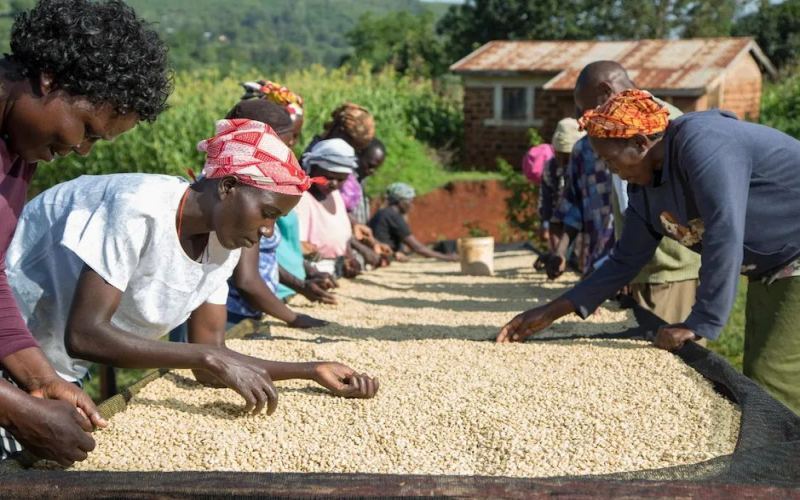
How are Kenya's coffee-growing regions divided? What makes the producing area at the foot of Mount Elgon in the west unique?
Kenyan coffee is renowned in the specialty coffee world for its layered fruity aromas and full, juicy body. This country in eastern Africa, with its high-altitude mountains, volcanic soil, and tropical monsoon climate, provides exceptional natural conditions for coffee cultivation. Kenya's coffee-growing regions are mainly divided into three major blocks: the Central Region, the East African Rift Valley Region, and the Western Region. Among them, the Western Region is represented by three major producing areas—Elgon, Trans-Nzoia, and Bungoma—at the foot of Mount Elgon, whose coffees feature bright acidity, citrus fruit flavors, and a rich body. This article will guide you through the overall distribution of Kenya's coffee-producing regions and take a closer look at the terroir characteristics of the Western Region. [more…]
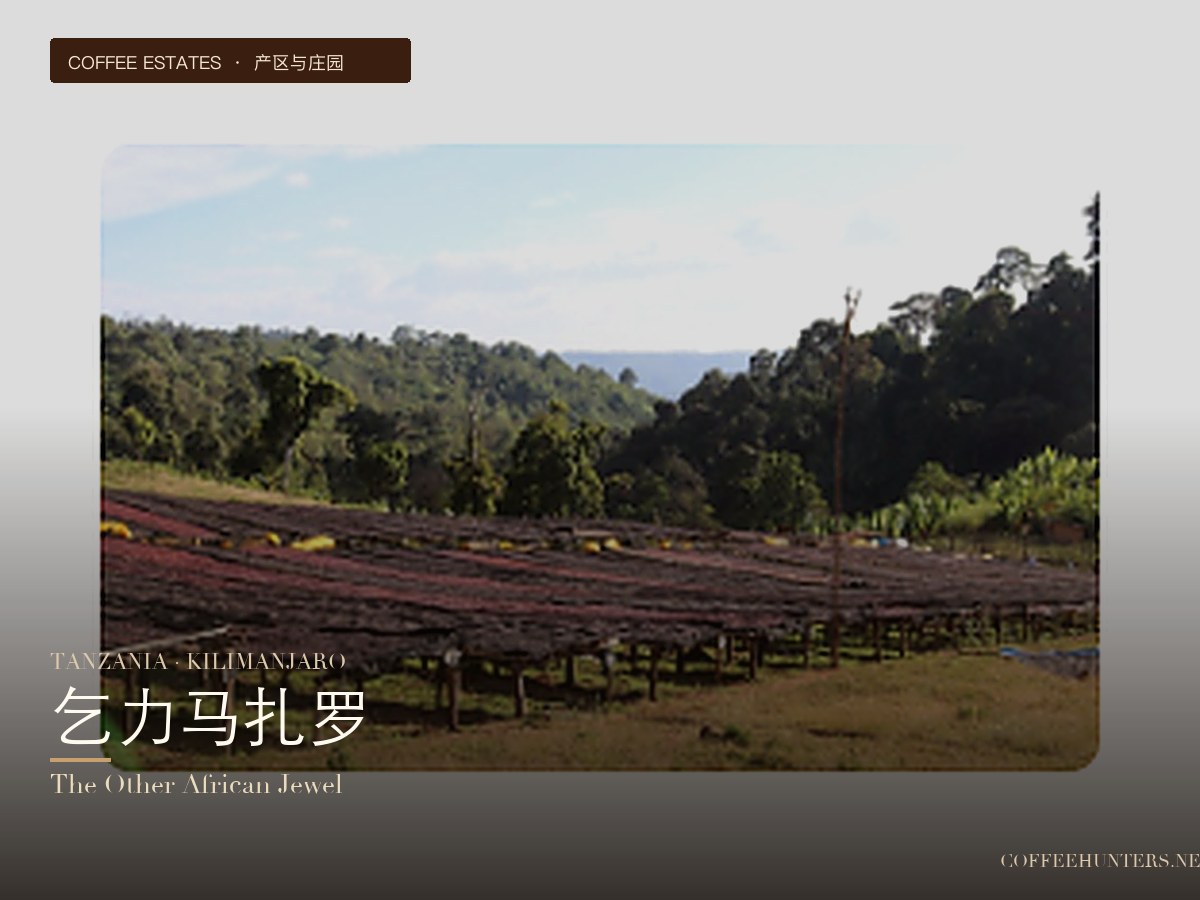
Tanzania: Kilimanjaro and Mount Meru — Another Gem of Africa
Tanzania is another important specialty coffee producer in Africa, with Mount Kilimanjaro and Mount Meru as its core producing regions. This article takes you through the history, geography, and flavor of Tanzanian coffee. [more…]